

WOMBS FOR WATER: THE HIDDEN COST OF CLIMATE CHANGE IN MAHARASHTRA

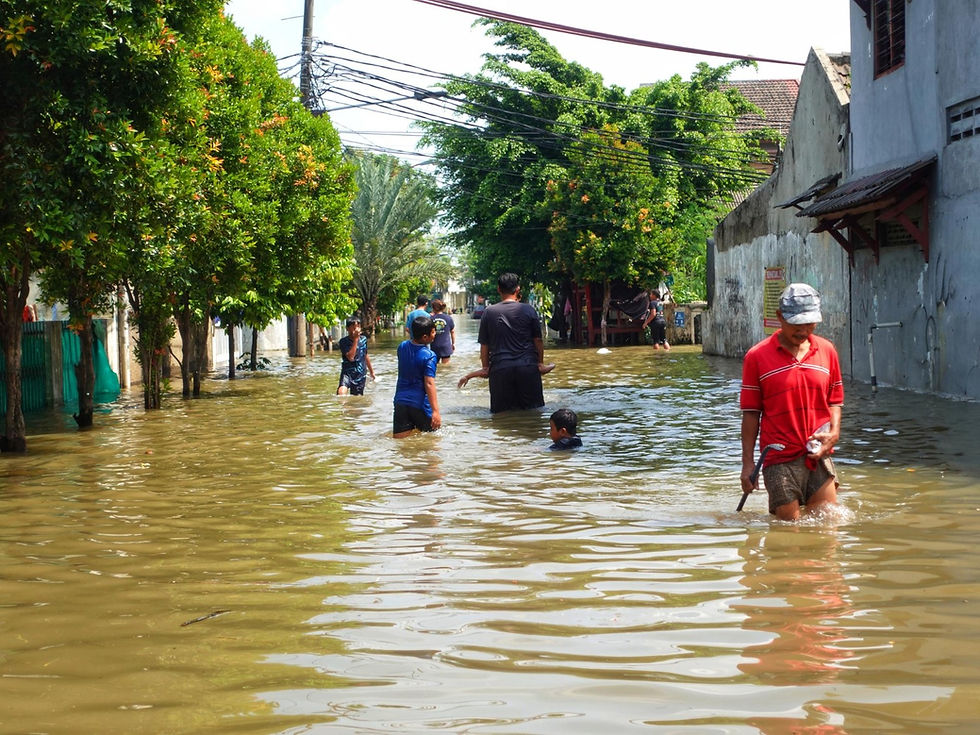
When we picture the victims of climate change, we often imagine a farmer staring at a parched field or a family wading through floodwaters. We might rarely imagine a young woman, barely in her twenties, lying on a makeshift hospital bed, making the terrifying choice to remove her womb just to survive the season.
In the Beed district of Maharashtra, India, this is not a dystopian fiction. It is the silent, brutal reality of the climate crisis.
The Climate Trigger Beed, located in the Marathwada region, has long been prone to droughts. However, the intensifying climate change has turned these dry spells into disasters. With their own crops destroyed by unpredictable weather and severe water scarcity, thousands of families are forced to migrate every year to the "Sugar Belt" of western Maharashtra to work as cane cutters.
This migration is not a choice; it is a desperate adaptation strategy. But for women, the cost of this adaptation is their own bodies.
The "Jodi" System and the Cruel Choice In the sugarcane fields, labour is hired in pairs, known as a Jodi (husband and wife). They are paid for the weight of cane they cut, often working gruelling shifts of 12 to 16 hours. The system is unforgiving. There is no sick leave. There are no breaks. If a couple misses a day, they face heavy wage deductions.
For a woman, menstruation becomes a liability. In fields with no toilets and no running water, managing a period is nearly impossible. Many women are forced to use the same cloth they use to carry cane bundles—cloth often covered in pesticides and chemical residue—as sanitary protection. The resulting infections, combined with the agonising pain of heavy labour during menstruation, force them to take days off.
But in a climate-ravaged economy, a day off means hunger.
To avoid these wage cuts and the "penalty" of bleeding, thousands of women in this region have undergone hysterectomies (surgical removal of the uterus). Research highlights a shocking disparity: more than 55% of women from migrant cane-cutting families have undergone the procedure, compared to less than 17% of women who remained in their villages.
These women are "paying the cost of the climate crisis with their wombs". They are trading their long-term health—facing early menopause, hormonal imbalances, and chronic pain—for the short-term ability to work through a harvest.
A Failure of Adaptation
As we look toward COP30, we must ask: Is this what "resilience" looks like?
India’s Nationally Determined Contributions (NDCs) rightly focus on adaptation and health. However, the tragedy in Beed exposes a blind spot in global climate policy. We often measure the impact of climate change in economic terms—GDP lost, infrastructure damaged. But how do we measure the loss of bodily integrity?
This is a clear case of Non-Economic Loss and Damage. The drought took their livelihood, but the lack of social protection took their health.
The Way Forward
The climate crisis in the Global South is not gender-neutral. For the women of Beed, climate justice is not just about reducing carbon emissions; it is about guaranteeing basic human dignity.
Priorities for COP30 must include:
Gender-Responsive Climate Finance: Adaptation funds must trickle down to the most vulnerable. This includes creating sanitation infrastructure in migrant labour camps so women don't have to choose between hygiene and income.
Social Protection for Climate Migrants: We need policies that protect the health rights of those forced to migrate due to weather extremes.
We cannot let the "wombs for water" trade-off become the new normal. As young leaders, we must demand that adaptation plans include the voices of these women. No one should have to sacrifice a part of their body to survive the climate their ancestors did not break.



Comments