

Indigenous Knowledge and Climate Governance
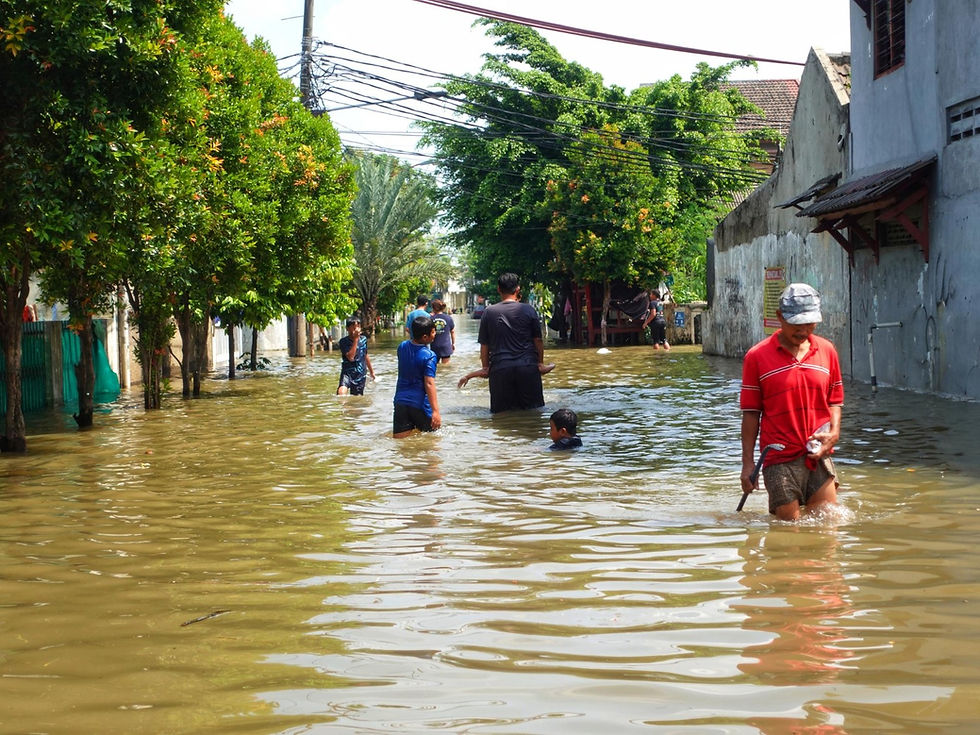
Growing up in Odisha, climate change has never felt like a distant headline. It is the cyclone warning on the radio and TV, the flooded streets after heavy rains, and the stories my elders talk about how the land and forests used to be more predictable. Every year, our state support for storms like Fani (2019) or Yaas (2021), and each time I see how vulnerable communities, especially Indigenous groups carry the heaviest burden.
As the world heads into COP30 in Brazil, I believe one of the most urgent priorities is to recognize and integrate Indigenous knowledge into climate governance. For India, and for Odisha in particular, this is not just about preserving traditions, it is about survival, resilience, and justice.
In Koraput, tribal women from the Gadaba and Bonda communities have long practiced mixed cropping and forest stewardship. They know which plants survive erratic rainfall, which trees protect soil, and how to share resources fairly. Recently, some of these women created “dream maps” to tract disappearing water sources and plan restoration. These maps are not just drawings, they are living testimonies of how Indigenous knowledge adapts to modern challenges.
India’s NDCs, emphasize on ecosystem based adaptation and afforestation, which denotes a direct connection. What our communities are already doing aligns with national priorities. The challenge is that their voices rarely reach the negotiation tables at COP. Closer to the coast, in Kendrapada district in Odisha, villagers have formed “climate panchayats” to restore mangroves in Bhitarkanika. These mangroves are natural shields against cyclones like Yaas, while concrete embankments cracked, the mangrove belts stood firm. This is how the Indigenous governance take action that is collective decision making and mass participation rooted in ecological wisdom.
Yet, when global leaders talk about adaptation, they often focus on technology or finance. Why not also learn from communities who have been adapting for centuries? COP29 Baku Workplan recognized Indigenous leadership, but implementation remains weak.
Indigenous communities in Odisha contribute almost nothing to global emissions, yet they face displacement from floods, deforestation, and mining. This is the injustice at the heart of climate change. Recognizing their knowledge is not charity, it is justice. It is about valuing those who protect ecosystems that benefits all of us.
As a citizen of the country, I believe COP30 must put Indigenous knowledge at the centre of adaptation strategies, ensure climate finance reaches communities directly, not just through bureaucratic channels, bridge India’s NDC communities with local practices like mangrove restoration and tribal farming, creating real spaces for youth is not an abstract policy, it represents the difference between the loss of homes to future cyclones and the possibility of dignified survival. Indigenous knowledge gives reliable ways to stay resilient based on justice.
At COP30, the world must listen because when Indigenous wisdom and global governance walk together, climate action becomes not only stronger but fairer.



So inspiring message; thanks for sharing. Admiring how communitities might find collectively ad'hoc solutions to face worst disasters. Let's all continue building a resilient world...
Thank you for sharing these first-hand experiences of extreme climate events you are facing. It helps me to feel more connected to why we do this work, and demand stronger action. I hope the local decision makers carrying your messages will be heard in forums that help join the dots, that indigenous knowledge is as important a part of the conversation as tech and finance solutions - it all goes hand in hand.
Valuing ecosystems and valuing the people who protect these ecosystems - we'll need systemic change to accomplish these goals.