

The Fabric of Change: Why COP30 Must Address Fashion's Climate Footprint
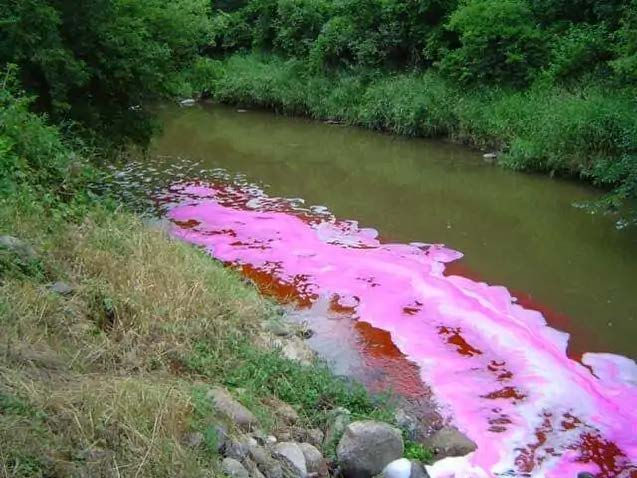
The first time I truly felt climate change was during a Pune heatwave so intense, the ground looked like it was breathing. But the second time I noticed it at a textile factory when I saw the purple and grey water drained from water-dyeing into open channels. India ranks second in worldwide textile exports, and our environmental narrative is woven into every piece of clothing we make.
The reason I care about COP30 is that it represents a turning point in the understanding of our consumption habits, particularly in the fashion sector, which, in turn, is accelerating the climate crisis while the less privileged Global South bears the burden.
Nationally determined contributions by India highlight a 45% reduction in emissions intensity and the attainment of 500 GW of renewable energy by 2030. But somehow, we are missing something in how we address one of our largest industrial sectors: textiles. Fashion is responsible for 10% of global carbon emissions and is the second-largest water consumer in the world. In India, where more than 45 million people work in the textile industry, the climate-livelihood equation becomes inseparable.
Through Youth for COP with The Climate Reality Project, I have witnessed the ways in which fast fashion's environmental cost plays itself out in Indian communities. Rivers run with chemical-laced water near textile hubs like Tirupur and Surat. Cotton farmers from Gujarat face severe water scarcity due to the intensive cultivation of cotton. Garment workers working in Delhi's poorly ventilated factories in 46°C heat make clothes destined for global markets that would be discarded within months.
This is not an abstract environmental degradation-it is a justice issue. India produces clothes that the world consumes, but our communities are absorbing the pollution, water stress, and health impacts.
It's not a trend, but an adaptation imperative. And that's where COP30 needs to act: through the establishment of enabling frameworks by governments that make sustainable living accessible, not aspirational.
India's textile heritage is not just limited to khadi, handloom, natural dyes, and zero-waste draping techniques associated with sarees, but it is a collection of eco-friendly, low-carbon practices that can create dignified jobs for people. These conditions have prevailed in the case of traditional weavers who cannot make their products because the prices of fast fashion are very low due to a mix of factors including government support and environmental ignorance.

COP30 is therefore, in a way, the turning point where it is essential to back up the fashion industry with policy mechanisms such as Extended Producer Responsibility, carbon cost reflecting the actual environmental impact, pro-sustainable textiles green procurement policies; waterless dyeing and renewable-powered manufacturing technology transfer among others.
A circular economy approach for India is outlined in the waste management targets of our NDCs. But for implementation, it takes finance. The Global South countries need support in transition of industries without sacrificing livelihoods-not vague promises, but the $100 billion in adaptation finance that remains largely undelivered.
Young people have already begun building that future. I've spoken with designers upcycling textile waste, entrepreneurs inventing rental platforms for traditional wear, and activists demanding supply chain transparency from big brands. I also started a blog to increase awareness about these matters “The Neuve”.
But individual action can never replace structural change. When a garment worker barely earns enough to survive, "sustainable fashion" is a privilege. When renewable energy costs burden small manufacturers while fossil fuels stay subsidized, green transitions stall.
This is where government leadership becomes critical. India needs to integrate textile sustainability into our NDC targets explicitly. We need national frameworks that provide support to circular fashion, worker protections during green transitions, and investments in traditional textile clusters. We have to demand internationally that fashion brands-mostly headquartered in high-income nations-take accountability for supply chain emissions and finance clean production in manufacturing countries.
COP30 has a simple test: will it accord adaptation and implementation the same weight as pledges? Will climate justice be seen to include the right to sustainable livelihoods? Will it finance the transition towards systems in which the communities, like our own, will no longer need to choose between economic survival and environmental protection?
Climate change is already reshaping India's textile belt. The question is whether COP30 will enable us to reshape it sustainably or leave us cleaning up the world's closet while paying the climate cost.
It means if COP30 matters, it must treat sustainable living not as an individual virtue but as a collective infrastructure-woven into policy, funded adequately, and The Fabric of Change: Why COP30 Must Address
with centrality given to the people who have contributed least to the crisis but suffer most from its unraveling.



Comments