

FOR US, ADAPTATION IS NOT OPTIONAL—IT IS A MATTER OF SURVIVAL
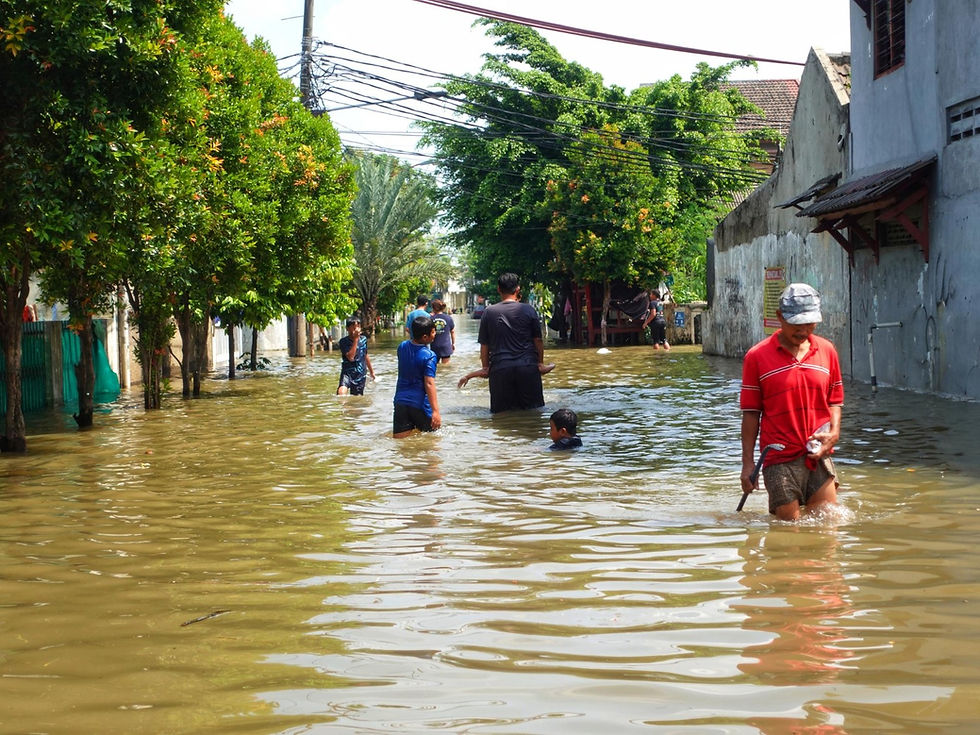
I am from Honduras, which is considered as one of the most climate vulnerable countries in the world, even though it contributes almost nothing to global emissions. Here climate change is a reality that shapes our daily lives in our food supply, our economy and our safety. Over the past few years, we have been through hurricanes that left us incredible damages such as floods and climate driven displacement. For us adaptation is not optional, it is a matter of survival.
Honduras’ Nationally Determined Contribution (NDC) emphasizes the urgent need to strengthen resilience in agriculture, water management, forest protection, and disaster response. This is why COP30 is deeply important for Honduras. Through my participation in this program Youth for COP under the Climate Reality Project, I have learnt a lot about important topics such as climate finance and justice or just transitions and green jobs but I think the impactful thing for me is that we are all witnesses that climate impacts are accelerating faster than our actions to get through the problem.
Honduras has plenty of ideas and commitment. Our NDCs are based on clear and practical plans to protect mangroves, sustainable forest management, which is required is stable, reachable, and grant-based finance to go from ideas to make them real. Adaptation projects often are delayed, because international funding is complicated, deficient, or slow. While local communities do their best with, they have in their hands, international cooperation systems remain too slow to respond to our urgent crises.
This is something that COP 30 must convert from promises to actions. In November 2020, Honduras was hit by hurricanes Eta and Iota within a span of two weeks, the already devastated people of Honduras were again swept away by mudslides and overflowing rivers. Over 2 million people in Honduras were affected which analysts presume cost 10 billion dollars in damages. Some 1,000 homes were destroyed, more than 6,000 were damaged and more than 88,000 were affected. Ninety per cent of the damage was recorded in the agricultural sector and 10 per cent in the livestock sector. ((IFRC)., 2022)
International Federation of Red Cross and Red Crescent Societies. (2022, December 5). Central America: Hurricanes Eta & Iota – Final report (MDR43007). ReliefWeb. https://reliefweb.int/report/guatemala/central-america-hurricanes-eta-iota-final-report-mdr43007
This wasn’t a simple damage, this was what years of accumulation of underinvestment resilience caused, and this could be prevented if the funds weren’t so complicated to access so more resources had been available.
We know that Loss and Damage Fund, is financial mechanism was designed to provide crucial support to vulnerable nations facing the brunt of climate-related challenges and climate justice is focused on addressing the unequal impacts of climate change by prioritizing the health and safety of those who face the greatest risk, we can not continue waiting time and this fund must be functional and easy to access.
And finally three urgent actions what leaders must prioritize are:
Provide strong grand based funding for climate adaptation in Honduras and the Global South.
Make Loss and Damage Fund works effectively
Support and ensure of NDCs specially in countries most at risk.




Comments