

WHY COP30 MATTERS TO ME, MY COMMUNITY AND TANZANIA FUTURE
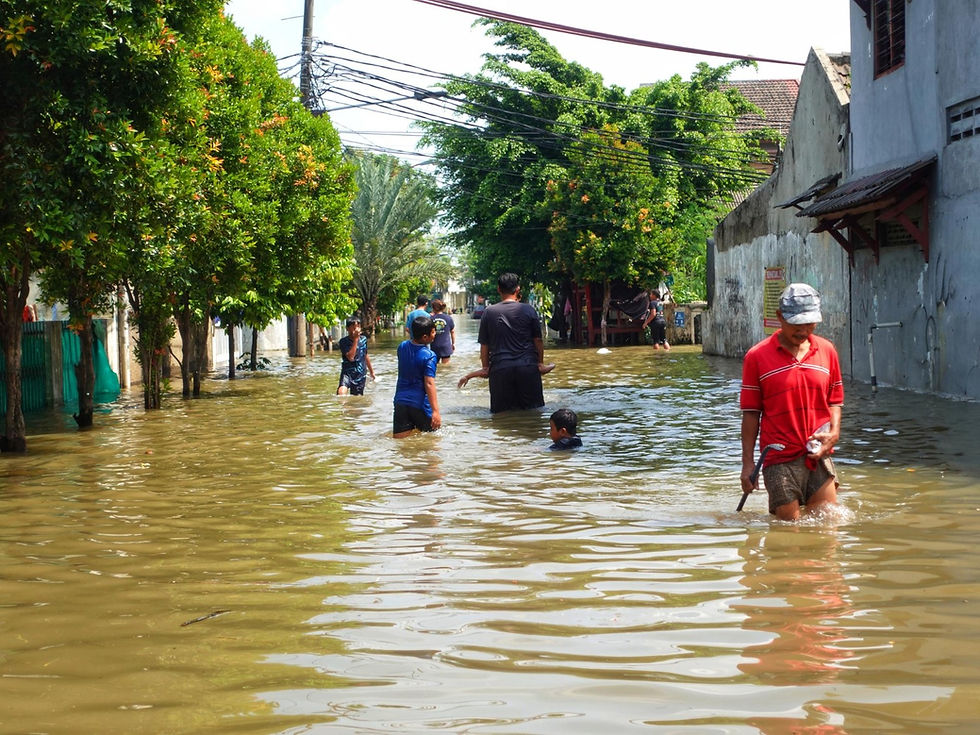
Growing up in Tanzania, I did not learn about climate change from textbooks I learned it from the stories, struggles, and daily experiences of my community. I learned it from farmers who watched the rain patterns shift without warning, from families displaced by floods in Dar es Salaam, Morogoro and Mkuranga, drought in Central Tanzania, rise in temperature, and the loss of biodiversity from the plastic-filled beaches I cleaned with fellow volunteers. These experiences shaped my commitment to climate action long before I ever heard of COP conferences.
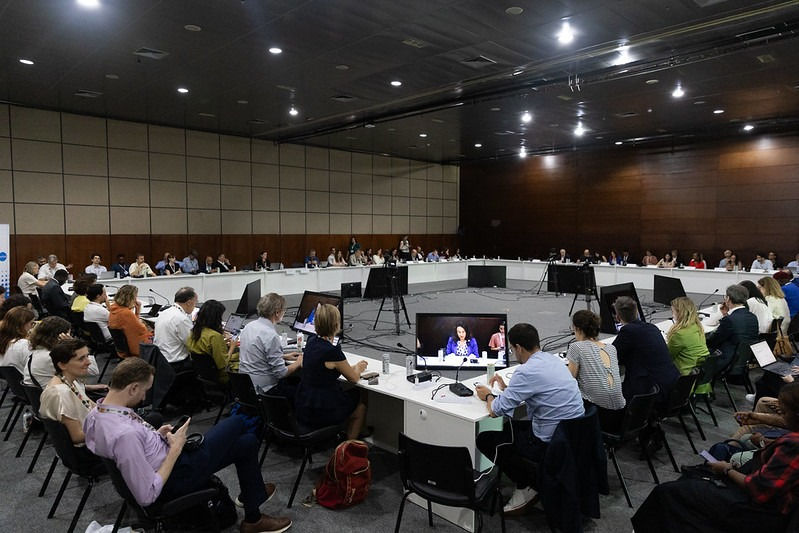
Today, as a young environmental advocate involved with The Climate Reality Project’s Youth for COP program, COP30 is not just another global meeting. For me, it is a chance for the world to listen and truly hear what young people from the Global South are saying about adaptation, justice, and survival.
Tanzania’s climate vulnerability is not a theory; it is our daily reality. During my work with MBRC The Ocean, I spent hours on the coastline collecting plastic waste and talking to local fishers. I saw how rising sea levels, stronger waves, planting mangroves and eroding beaches were damaging homes and threatening livelihoods. These were the same coastal areas Tanzania’s NDC highlights as high-risk zones needing urgent adaptation measures. Seeing those impacts with my own eyes made me understand why ocean and coastal protection must be a top priority at COP30.
As volunteers in WWF Tanzania as Youth Conservation Champion (YCC) introduced me to rural communities where deforestation and biodiversity loss were changing the landscape. I remember speaking with young farmers and students who told me how droughts had become longer and more unpredictable. Their stories gave me a deep sense of responsibility if youths do not step up today, these communities may not recover tomorrow. Nature-based solutions, forest restoration, and community engagement are not just policies to me; they represent people whose hope depends on climate action. This enabled me to reach region like Dar es salaam, Coast (Kisarawe), Morogoro, Dodoma and Tabora.
As a Youth Mappers I learned different kind of lesson. Mapping flood-prone areas and water points using GIS showed me the power of data. When you see homes marked in red zones on a map, you understand that climate change is not just affecting families, elders, children and neighbors. These maps support Tanzania’s NDC commitments on early warning systems and disaster preparedness, but they also reminded me that behind every data point is a human life.
During my field training at NEMC’s Temeke Zone, I saw the institutional side of climate action environmental monitoring, compliance, pollution control, and environmental impact assessments. It became clear to me that we can have strong laws, but without proper implementation and resources.
Working with the Green Science Organization brought me back to the community level conducting awareness sessions, supporting school programs, and mobilizing youth volunteers. What I saw consistently was this: young people are willing and ready to act, but they need support, platforms, and opportunities. This is why
perspectives are valuable.
From these I have learned that adaptation is not about buildings or budgets it is about protecting people. It is about ensuring that the farmer in Dodoma can harvest without fear of drought. It is about giving coastal families in Bagamoyo hope that their homes will not disappear to erosion. It is about ensuring that Dar es Salaam does not flood every rainy season due to poor drainage and climate extremes.
As COP30 is going on I believe leaders must prioritize three things: -
Livelihoods.
Turn promises into real implementation, especially in agriculture, water, energy, and coastal protection.
Recognize youth as partners, not observers, in climate solutions.
I carry the stories of my community with me into this work. I carry the faces of the people I met on beaches, farms, forests, and urban neighborhoods. Climate change is personal for me and COP30 must reflect the urgency felt by millions across the Global South.
The future of Tanzania and of young leaders like me depends on the decisions made today. And through The Climate Reality Project’s Youth for COP, I am proud to add my voice to the call for justice, resilience, and action.



Comments