

Bhaktapur’s Water: My Honest Take on Preserving Tradition for Climate Action
A Personal Observation

Recently, I found myself wandering along the winding streets of Bhaktapur, only to be startled by how much the city wells have changed. Where the wells dug by the hands of this community used to always be abundant and reliable, they now sit close to empty. The water that does gather in them is brownish, sometimes partially hidden beneath weeds or floating debris, and nobody considers it safe to drink. This isn’t just something happening here; it’s a snapshot of what’s going on across many parts of Nepal, something I saw myself as I visited different neighborhoods for this very assignment. There’s no escaping the fact that climate change mixed with rapid, often uncontrolled development is making life harder for our city’s traditional water systems. I was reminded that Nepal has made big commitments to managing water better and preparing its towns to withstand new challenges, all central themes at this year’s global COP30 summit.
Bhaktapur’s Water Wisdom, Then and Now
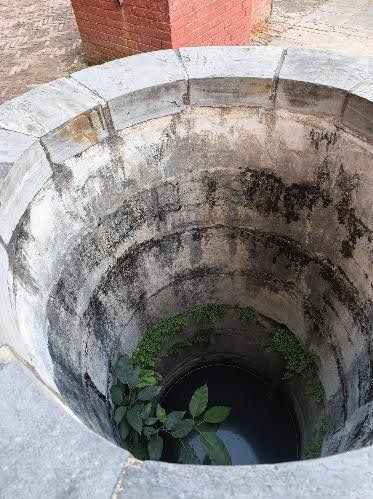
For folks in Bhaktapur, water has always meant a lot more than just something to fill containers; it's been part of shared routines and neighborhood identity. Ask around the city, and many will tell stories of families relying on the ponds, and canals not just when times were good, but especially when rain was short.
Recently, though, both locals and visitors have noticed a big change. The once-reliable wells, places where people chatted and lent a hand, now often sit still and shallow, sometimes covered with algae and surrounded by fewer people than before. Instead of fetching water in groups, more households are phoning water tankers or stretching out daily supplies. The scene is fresher than ever in everyone’s memory: it feels much more like a signal that our trusted systems need urgent care and modern adaptation, not just fond memories.
People across Bhaktapur and other towns point out familiar culprits. As more water is pumped up, the ground table keeps falling. Construction projects crisscross old waterways, sometimes blocking or breaking up paths where water used to travel naturally. And then there’s the unpredictability of rainfall, sometimes intense, sometimes missing making life harder for every community. This is no longer a hidden problem: neighbors, community groups, and local researchers are talking about it everywhere in Nepal.
Why This Local Story Matters Globally

What strikes me most is how perfectly Bhaktapur’s current dilemma matches the call to action ringing out at COP30. The world is finally talking about the power of community action practical adaptation rooted in culture and real-world problem solving. Ancient systems like our ponds and canals weren’t just traditions; they were built with a deep understanding of land, water, and seasonal rhythms. If we bring back these communal efforts of clearing, fixing, and reconnecting the old water networks, Bhaktapur could once again offer security when the rains don’t come, and teach other towns how to do the same.
Traditional waterwork isn’t just local heritage. Done right, its cutting edge climate strategy, fitting exactly with the priorities in Nepal’s plans and the solutions global leaders want to see.
What Real Adaptation Looks Like
What’s perfectly clear from my documentation photos, conversations, and observations is that solutions won’t come from either officials or residents alone. The people running our city need to treat water heritage maintenance as a real investment in the future, not just something for festivals or tourist photos. But equally, lasting change means everyone pitches in. Workshops in schools, youth-led cleanups, open conversation about new threats and old successes all rebuild the sense of shared responsibility.
To me, fixing an old pond or hiti isn’t about sentimental longing; it’s practical. Every rupee put into restoration creates a buffer against the kind of water stress we now face. If leaders at COP30 take these lessons seriously, Bhaktapur’s story may eventually help guide communities facing similar struggles elsewhere.
Standing by those shallow, weedy wells, the message is simple: resilience doesn’t start with outside experts. It starts when local people and city officials work as partners, using the wisdom still alive in historic places like Bhaktapur. The world is ready for practical blueprints, and I believe our city can help write one worth following.




Comments